Understanding the Difference Between Soft Wash and Pressure Wash
Many homeowners use 'pressure washing' as a catch-all term, but there are actually two distinct methods of exterior cleaning, and using the wrong one can damage your property.
Pressure Washing (High Pressure)
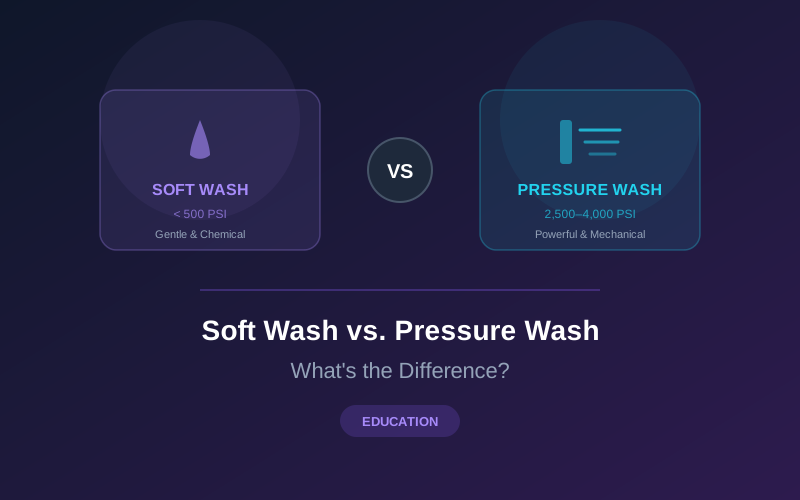
- Uses 2,500–4,000 PSI water pressure
- Best for hard surfaces: concrete, brick, stone
- Mechanically blasts away dirt, grime, and stains
- Can damage wood, vinyl siding, and roofing shingles
Soft Washing (Low Pressure)
- Uses under 500 PSI — essentially a garden hose pressure
- Relies on specialized cleaning solutions to kill mold, algae, and bacteria
- Safe for roofs, vinyl siding, stucco, and painted surfaces
- Cleaning lasts 3–4x longer because it kills growth at the root
When We Use Each Method
- Driveways, sidewalks, patios → Pressure wash
- House siding, roofs, fences → Soft wash
- Gutters and downspouts → Soft wash exterior, hand-clean interior
- Commercial concrete → Pressure wash with surface cleaner
Why It Matters
Using high pressure on delicate surfaces can crack siding, strip paint, damage shingles, and void warranties. A professional knows which method to use and when. That's why hiring an experienced team like Sparky's ensures your property gets the right treatment every time.